Source USB Charging Electric Shaker Bottle for Gym, Travel, Office
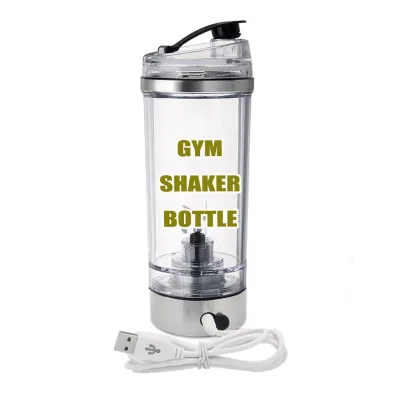
Compare 30 USB charging electric shaker bottle options from verified Chinese manufacturers. Buyers can evaluate features like Tritan material, stainless steel mixing balls, and FDA certifications for gym, travel, and office use; compare the available evidence and request quotations based on your requirements.
Key considerations
Products List






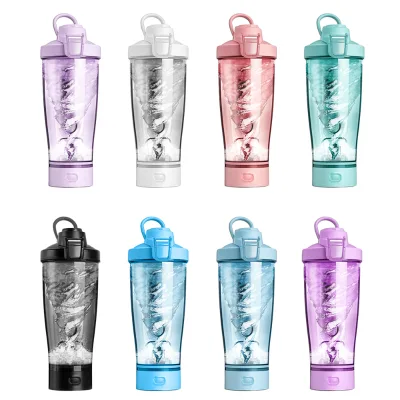
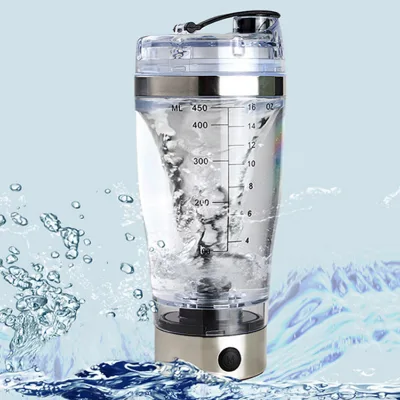
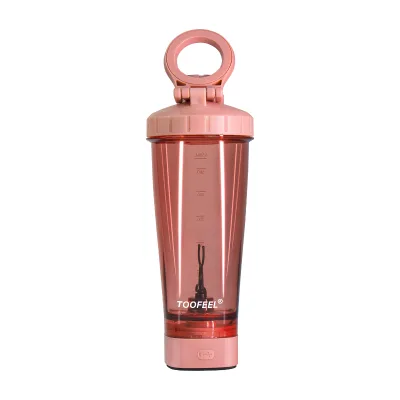
Comprehensive Sourcing Guide
USB Charging Electric Shaker Bottle Sourcing Guide
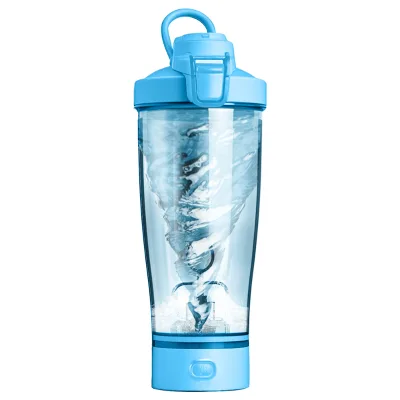
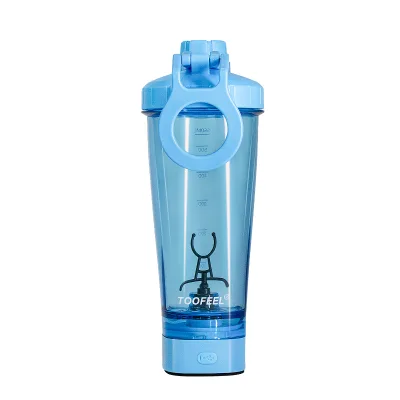
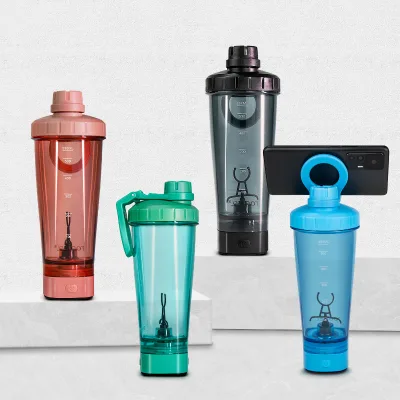
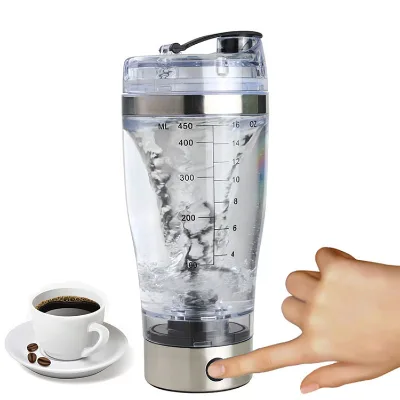
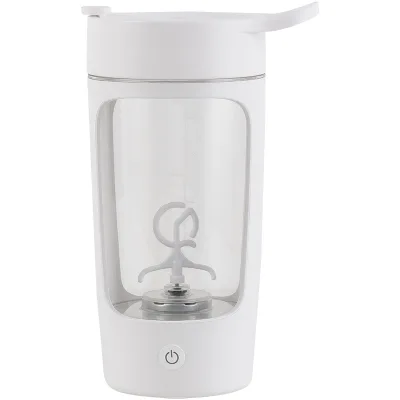
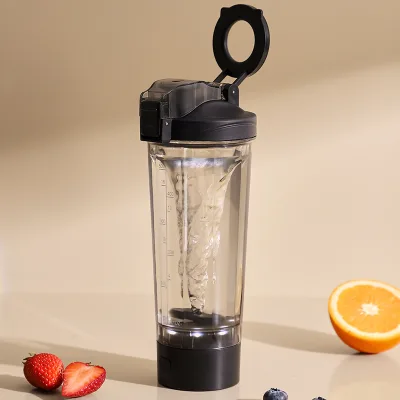
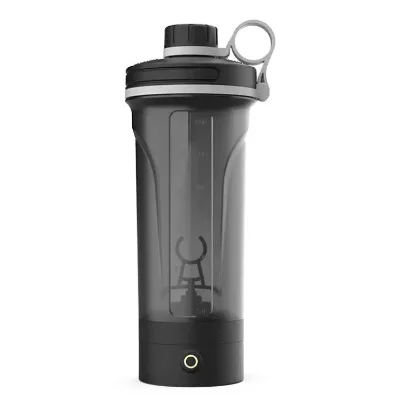
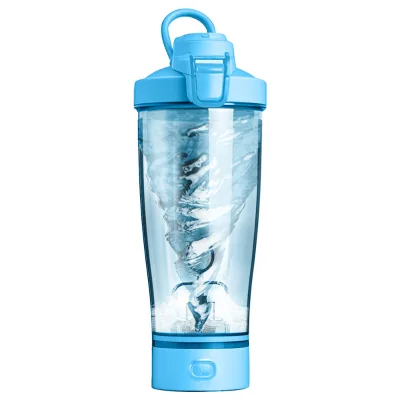
Procuring USB charging electric shaker bottles requires distinguishing between standard manual shakers and advanced units with integrated motors and rechargeable batteries. The supplied data confirms the existence of plastic sport bottles described as electric shaker bottles, often featuring stainless steel or silicone mixing balls to ensure thorough blending of protein powders and supplements. Buyers must verify that the "electric" designation refers to a functional motorized mechanism rather than a passive design, as many listings conflate standard shaker bottles with powered variants.
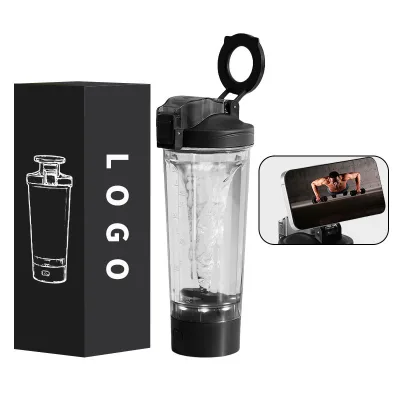
The market signals indicate a strong focus on customization, with suppliers offering OEM and ODM services for branding and design. Products are frequently marketed for gym, outdoor, and travel applications, with specific mentions of "Back to School" and promotional usage. Sourcing strategies should prioritize suppliers who explicitly list "USB charging" capabilities alongside the standard features like screw caps and specific bottle shapes, ensuring the final product meets the dual needs of portability and automated mixing efficiency.
Product Scope and Observed Listing Signals
The observed product range includes various models such as KL-M1020 and KL-M1031, with dimensions ranging from 20.0×7.0cm to 21.0×9.0cm, though specific electric models may vary in size to accommodate battery compartments. Listings highlight materials like PP and Tritan, which are essential for durability and safety when mixing hot or cold liquids. The presence of "Eco-Friendly" and "Stocked" attributes suggests that some suppliers maintain inventory of ready-to-ship units, while others operate on a made-to-order basis for custom branding.
Buyers should note that packaging varies between OPP bags and OPP boxes, which impacts the perceived value and protection during transit. The observed price range of 0.2 to 11.03 USD reflects a wide spectrum of quality and feature sets, from basic plastic containers to complex electric units. It is critical to cross-reference the "USB charging" claim with the physical specifications, as some listings may describe the bottle's material or shape without confirming the presence of an internal power source or charging port.
Technical Specifications to Verify
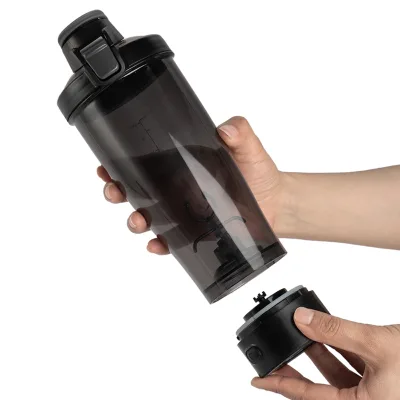
When evaluating electric shaker bottles, the primary technical verification involves the motor mechanism and battery integration. The supplied facts mention accessories like stainless steel, plastic, and silicone balls, which are standard for mixing, but the electric variant must also specify the charging interface and battery capacity. Buyers should request detailed diagrams showing the location of the USB port and the sealing mechanism to prevent water ingress into the electronic components, as the "Screw Cap" and "Jar" bottleneck types must be adapted to house the motor safely.
Surface handling and printing methods, such as screen printing and heat transfer, are relevant for branding but must not interfere with the bottle's structural integrity or electronic seals. The "Single package size" of 10x10x10 cm and a gross weight of 1.000 kg provide a baseline for logistics planning, though electric models may be heavier due to the battery. Verification of the "boiling water" applicability is also necessary, as high temperatures can degrade plastic components or damage the internal electronics if the design is not heat-resistant.
Compliance and Safety Documentation
Safety compliance is paramount for products that combine food contact materials with electrical components. The supplied data lists FDA, LFGB, and SGS certifications, which are standard for food-grade plastics like PP and Tritan. However, for electric shaker bottles, buyers must ensure that the electrical components also meet relevant safety standards for low-voltage devices, as the standard food certifications do not automatically cover the electrical safety of the charging mechanism or battery.
Documentation should explicitly confirm that the materials are food-grade and safe for direct drinking, as indicated by the "Water Flowing Method" attribute. The presence of TUV, ITS, and BV lab reports in the data suggests that some suppliers undergo rigorous third-party testing. Procurement teams should request specific test reports for the electrical assembly, including leakage current and insulation resistance tests, to ensure the device is safe for use in wet environments like gyms or showers.
Cost Drivers and Commercial Terms
The cost of USB charging electric shaker bottles is driven by the complexity of the internal motor, the quality of the battery, and the customization level of the branding. The observed MOQ range of 50 to 3000 units indicates that smaller orders may carry a higher per-unit cost, while larger volumes allow for better pricing on custom molds and printing. Buyers should analyze the trade-off between the "Customized" logo options and the minimum order quantities, as complex OEM designs often require higher production runs to be economically viable.
Delivery terms and lead times are significant factors, with the data noting "by Sea" as a primary shipping method. This implies that ocean freight is the standard for bulk orders, which affects the total landed cost and inventory planning. The "Delivery" attribute suggests a reliance on sea transport, which is cost-effective but slower than air freight. Buyers must factor in the potential for longer lead times when planning product launches, especially if the supplier requires time for custom tooling and battery sourcing.
Supplier Qualification and Quality Control
Supplier qualification should focus on their ability to integrate electrical components with food-grade plastic manufacturing. The data lists "Kingline" and "Watersy" as brand names, indicating that some suppliers operate with established brand identities. Buyers should verify the supplier's experience with hybrid products that combine mechanical mixing with electrical charging, as this requires specialized assembly lines and quality control processes distinct from standard bottle manufacturing.
Quality control protocols must include functional testing of the charging port and motor performance before packaging. The "Anti-corrosion Coating" attribute suggests that some suppliers apply protective layers to metal components, which is a positive indicator of attention to detail. However, buyers should implement their own incoming quality checks to verify the sealing integrity of the battery compartment and the durability of the USB port, ensuring that the product can withstand the rigorous conditions of gym and outdoor use.
Long-Term Procurement Checks
Long-term procurement success depends on the supplier's ability to maintain consistent quality and supply chain stability for electronic components. The "Stocked" attribute implies that some inventory is available, but buyers should confirm the availability of spare parts, such as replacement batteries or charging cables, to support after-sales service. A reliable supplier should have a clear plan for managing the lifecycle of the electronic components, ensuring that the product remains functional and safe over its intended lifespan.
Continuous monitoring of compliance and performance is essential, particularly as regulations regarding electronic waste and battery safety evolve. Buyers should establish a schedule for periodic re-verification of certifications like FDA and LFGB, as well as electrical safety standards. Maintaining open communication with the supplier regarding any design updates or material changes will help mitigate risks and ensure that the product continues to meet the high standards expected by end-users in the fitness and promotional markets.
FAQs
Can I get custom logos on these shaker bottles?
Yes, custom logos are available on these plastic sport bottles. You can choose from screen printing, embossing, or heat transfer printing methods. The design supports both OEM and ODM customization to match your brand identity for promotional or holiday items.
What certifications do these electric shaker bottles hold?
These bottles hold FDA, LFGB, and SGS certifications ensuring food-grade safety. Additional lab testing is available through TUV, ITS, and BV. These standards confirm the product meets international safety requirements for direct drinking and gym usage applications.
Which materials are used for the bottle construction?
The bottles are constructed from durable plastic, specifically PP and Tritan materials. These materials are suitable for boiling water and ensure safety for adults. The design includes accessories like stainless steel or silicone balls for effective mixing during use.
How are these bottles packaged for shipping?
Packaging options include OPP bags or OPP combined with boxes depending on the order. Each unit has a single package size of approximately 10x10x10 cm. The total gross weight per unit is around 1.000 kg for logistics planning.
What is the minimum order quantity for these items?
The minimum order quantity ranges from 50 to 3000 units based on specific model requirements. This flexibility allows buyers to source small promotional batches or larger stock for retail. Customization availability may influence the specific MOQ applicable to your order.
Can these bottles be used for direct drinking?
Yes, these bottles support direct drinking water flow methods. They are designed for gym, outdoor, and travel use with screw cap sealing. The product is applicable for adults and suitable for various occasions including back to school or office settings.